Cross Media Europe: institutions, media, and democratic participation
What I learned during a six-day Erasmus+ study visit connecting European institutions, media literacy, and active citizenship in Strasbourg.
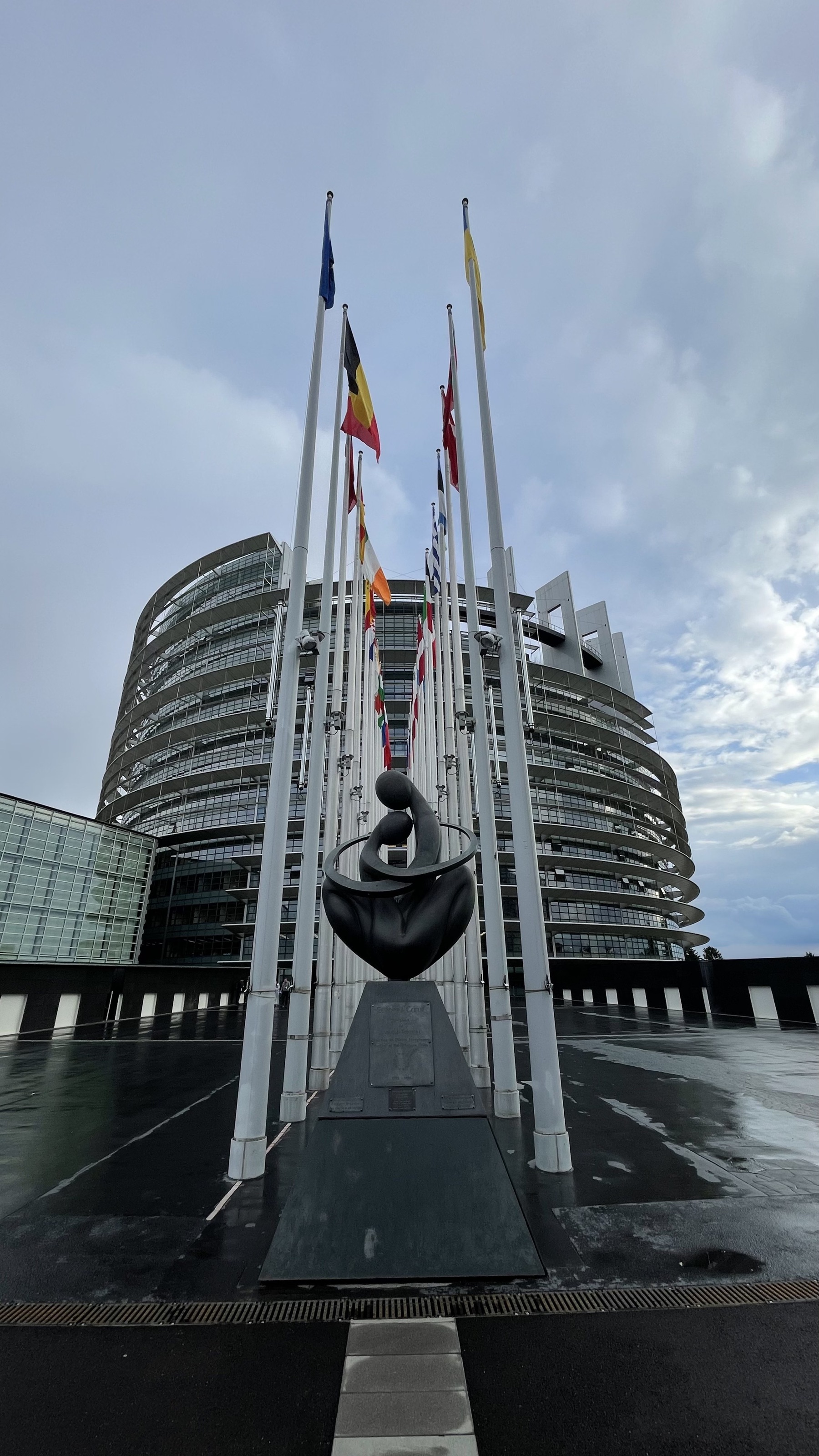
Cross Media Europe brought 20 adult learners from four Italian regions to Strasbourg for an Erasmus+ study visit organised by Associazione Culturale Europolitiche. From 9 to 14 March 2025, the programme connected European institutions, journalism, media literacy, human rights, and active citizenship.
Seeing European decision-making up close
At the European Parliament, we followed plenary work and discussions on current political priorities, including European defence and access to critical medicines. Meetings with elected representatives helped connect the formal work of the institution with the choices, negotiations, and public communication behind it.
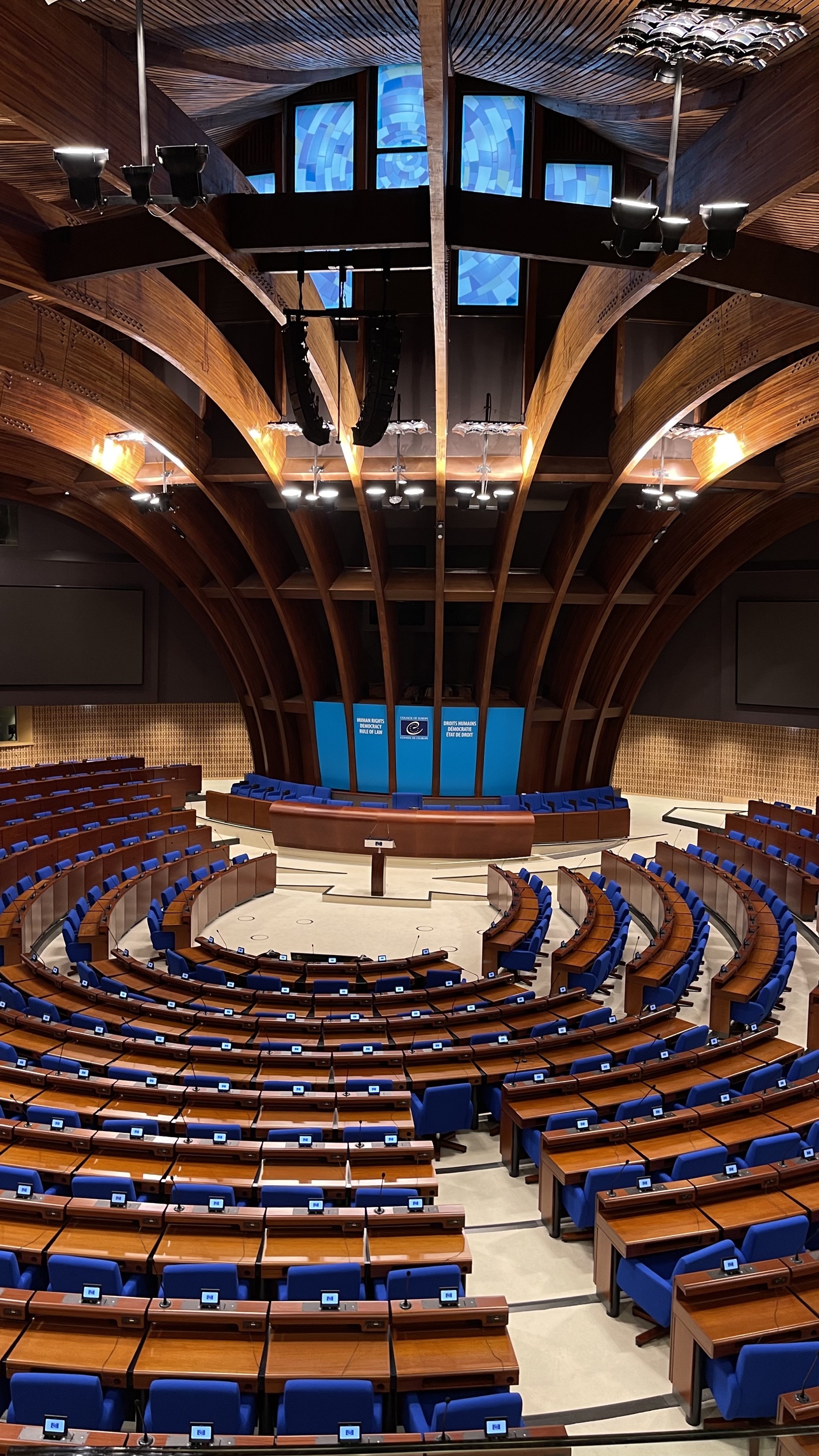
The Council of Europe offered a different perspective. The conversations there focused on human rights, trafficking, legal safeguards, digital press freedom, and the mechanisms used to protect democratic standards across the continent.
Media literacy as a democratic skill
Institutional knowledge is only useful if people can navigate the information surrounding it. At the European Youth Centre Strasbourg, workshops examined fake news, social media, public opinion, and disinformation. A visit to ARTE showed how a multilingual newsroom builds transnational stories and makes European issues understandable across borders.
These experiences reinforced a practical lesson: media literacy is not simply the ability to identify a false claim. It is the habit of checking sources, recognising how narratives are framed, understanding who is speaking, and remaining open to evidence that challenges an initial impression.
What I took from Strasbourg
The study visit strengthened my critical approach to political communication and gave me a more concrete understanding of how European institutions, journalists, and civil-society organisations interact. It also showed how communication can either create distance from institutions or help people participate in public life with greater confidence.
For me, that connection between institutions and citizens is the most important part of the experience: European cooperation becomes meaningful when people can understand it, question it, and take part in it.