Representing the Italian delegation in Konya: youth and rural development
In March 2021, I joined the Italian delegation sent by ScambiEuropei to an Erasmus+ training in Konya focused on rural regeneration, sustainable production, and the role of younger generations.
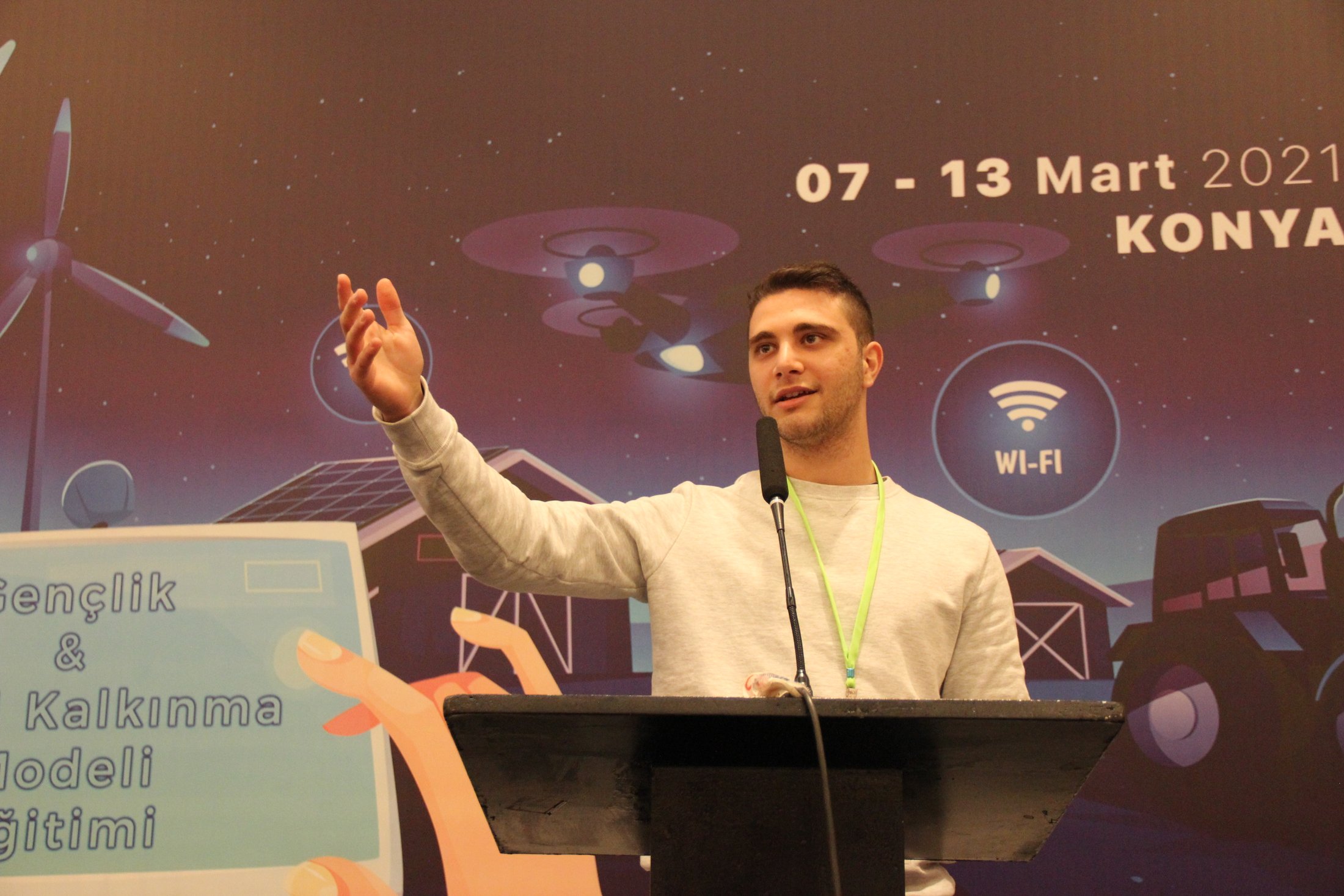
In March 2021, I travelled to Konya as a member of the Italian delegation participating in the Erasmus+ project Youth and Rural Development Model Training. ScambiEuropei was my sending organisation and the Italian partner in a bilateral project connecting young people and organisations from Italy and Türkiye.
The learning activity itself took place from 7 to 13 March. Its central question was highly practical: how can rural communities create social and economic opportunities that encourage younger generations to remain, participate, produce, and innovate?
A bilateral Erasmus+ partnership
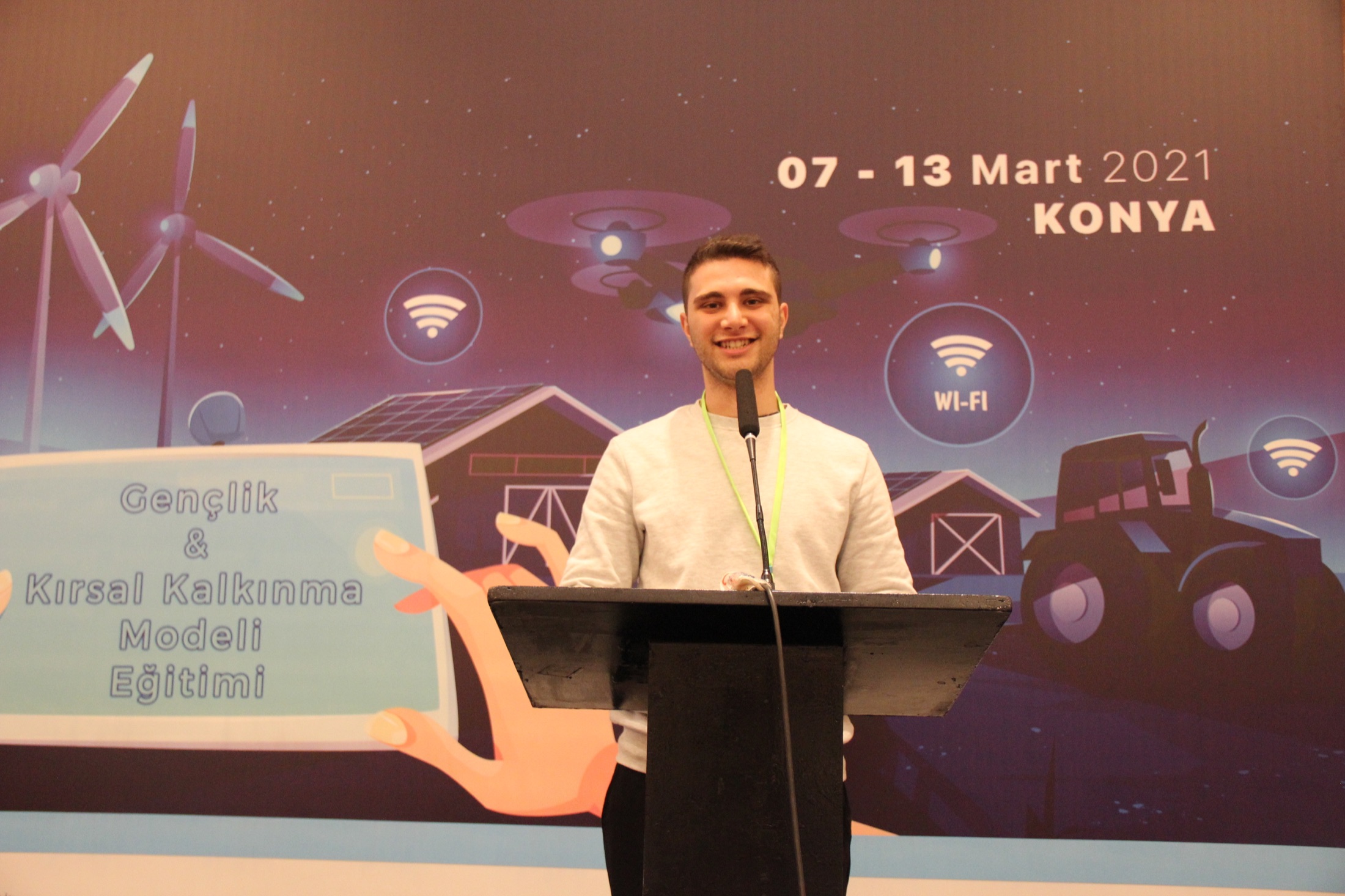
The project was coordinated by KOP Gençlik Derneği and connected youth participation with the regional-development work of the KOP administration. It was formally approved as Erasmus+ KA205 Strategic Partnership 2020-1-TR01-KA205-080812, as recorded in the Turkish National Agency’s official 2020 approval list.
The original ScambiEuropei project call described a small Italian delegation working alongside participants from Türkiye. The programme examined rural depopulation, the reintegration of young people into productive rural life, and the potential of networks, entrepreneurship, and new ideas to regenerate smaller communities.
Activities combined presentations with non-formal education: working groups, team-building, role play, creative workshops, and shared reflection. As part of the Italian delegation, I contributed perspectives and examples from Italy while learning about the realities and development priorities of the Konya region.
What the public coverage records
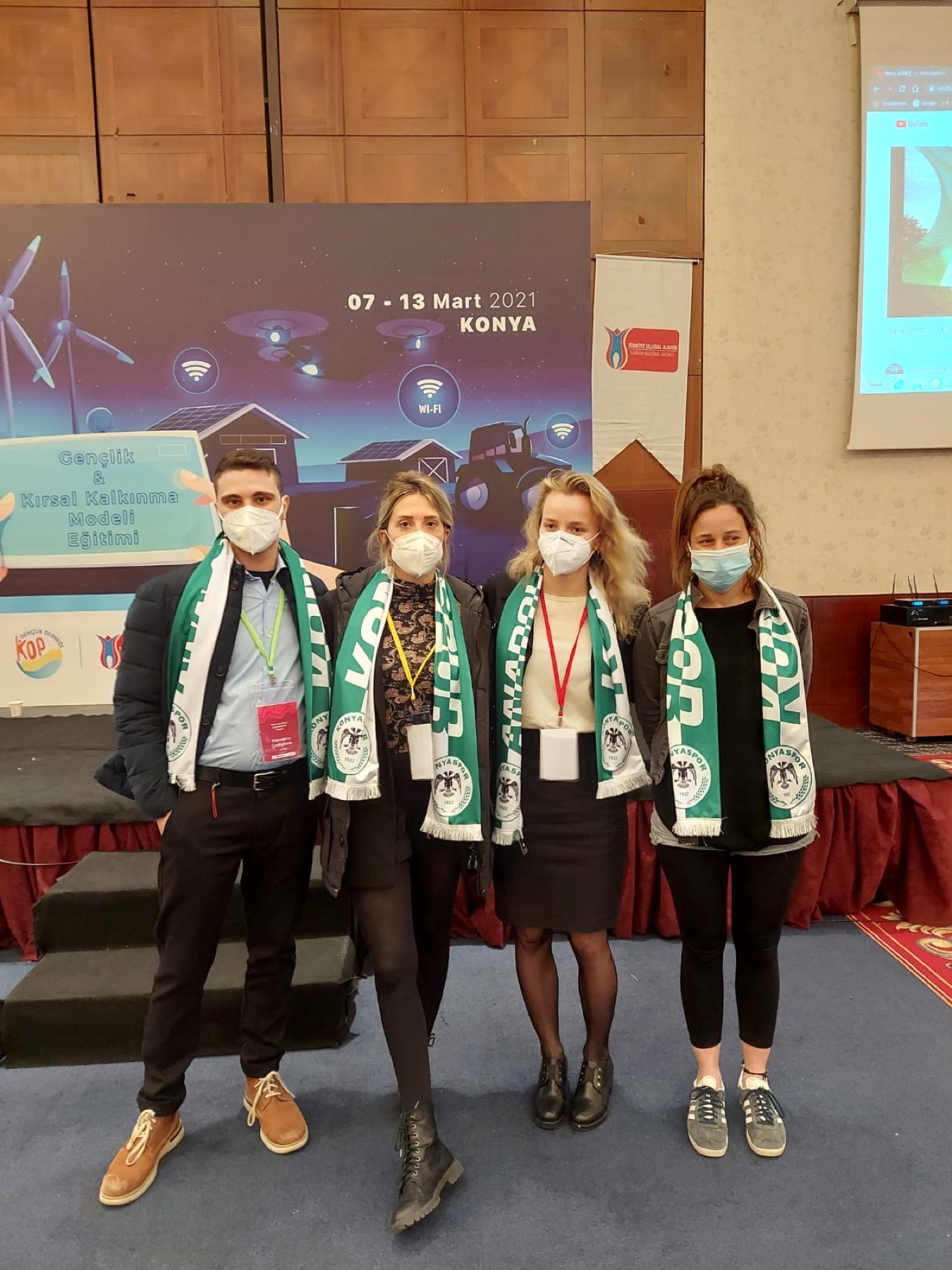
The training attracted substantial Turkish media attention. Reports described a meeting between young people from across Türkiye and Italy and highlighted the exchange of agricultural practices between the two countries. The coverage placed the programme within a wider discussion about sustainable production, food security, rural employment, and the need to make agriculture and rural life more attractive to younger generations.
The reporting also records presentations by KOP and UNDP experts, the involvement of organisations working in agriculture and regional development, and the award of Youthpass certificates at the end of the KA205 programme.
The most useful sources are:
- ScambiEuropei’s original Italian project announcement, which explains the objectives, partnership, and learning methods.
- Haber Dairesi’s report on the start of the wider project, which explicitly identifies ScambiEuropei as the Italian partner.
- Gazete Anadolu’s report from the Konya programme, focused on rural youth, production, and the Italy–Türkiye exchange.
- Haber Dairesi’s post-programme coverage, including the institutional participation, presentations, and Youthpass awards.
- Tarım Pusulası’s agriculture-focused coverage and the 13 March 2021 edition of Konya Yenigün, which preserve the programme’s public record in the agricultural and local press.
- Pervin Kaplan’s education report, which documents the themes and completion of the training.
An early lesson in international cooperation
For me, the project was an early practical example of how European mobility can connect local development questions with international learning. Rural decline, youth employment, environmental sustainability, and access to opportunity are not isolated national issues. Comparing approaches helped make both the differences and the shared challenges more concrete.
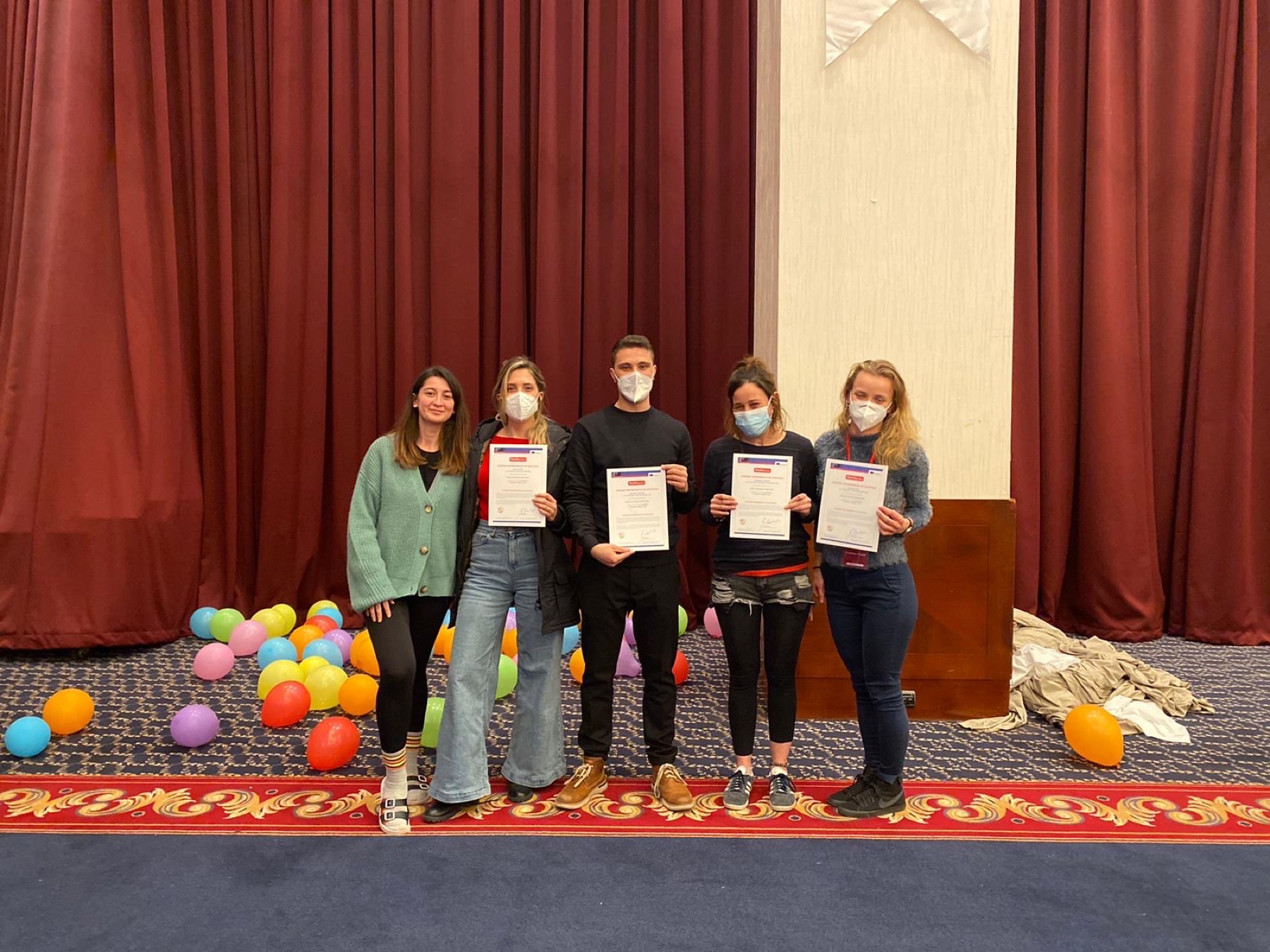
The experience is recorded in my Youthpass certificate and in the connected project entry. Together with the photographs and press coverage, they show both the personal learning experience and the wider public context in which it took place.